Proudly serving Phoenix, Mesa, Scottsdale, Tempe, Chandler, Glendale & surrounding areasCall or Text 24/7: 480-319-7533
Aerial view of residential neighborhoods, desert foothills, and arterial roads in Phoenix, AZ during late afternoon.

Commercial Flat Roof Repair and Roof System Maintenance for Businesses in Goodyear, AZ

Phoenix Commercial Roofing Company provides commercial flat roof repair, commercial roof replacement, and TPO roofing for Goodyear, Arizona businesses. Our licensed and insured crew also installs spray foam, roof coatings, metal, modified bitumen, and built-up roofing systems. We inspect and maintain low-slope and steep-slope commercial roofs for warehouses, retail centers, office parks, and industrial buildings. Each recommendation is matched to the existing roof, deck condition, drainage, and long-term property plan.

Goodyear roofs endure 115-degree summer afternoons, and dark membranes can exceed 160 degrees Fahrenheit at the surface. Sudden monsoon downpours can deliver an inch of rain in under an hour. Daily heat cycling can open seams while windblown dust and debris clog drainage paths. A documented inspection helps separate a localized repair from coating, recover, or replacement work before interior damage interrupts a business.

We cover commercial properties from the Phoenix Goodyear Airport industrial corridor to Litchfield Road, Estrella Parkway, PebbleCreek, Palm Valley, Canyon Trails, and the Goodyear Ballpark corridor. Request an inspection for a written scope, repair priorities, photos, and budget guidance.

★ ★ ★ ★ ★4.9/5 Customer Rating - 29 Years of Commercial Roofing Experience - Thousands of Roofs Serviced - Licensed, Bonded & Fully Insured - Serving Businesses & Property Managers
Commercial Roofing Services

Commercial Roofing Options in Goodyear, AZ

Goodyear grew from 95,294 residents at the 2020 census to an estimated 118,186 in 2024, placing new commercial roofs and aging retrofit projects side by side. Our service mix covers leaks, full replacements, reflective membranes, coatings, inspections, and maintenance across the city's industrial, retail, office, and logistics properties. Property managers comparing roof needs across the West Valley can also review our Surprise, AZ location page.

Commercial Flat Roof Repair

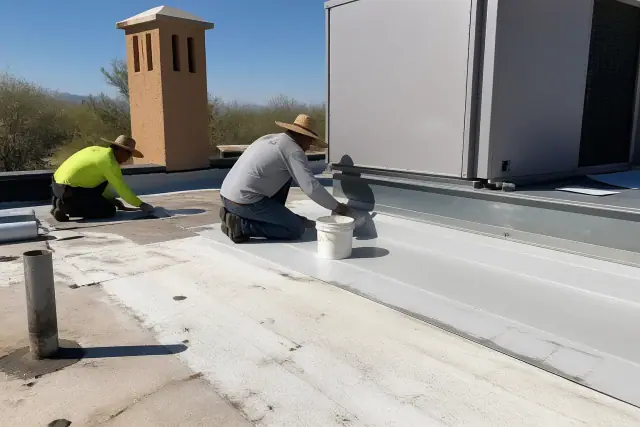
Technicians performing heat-welded membrane repairs on a rooftop HVAC unit in Goodyear, AZ.

We trace flat-roof leaks with visual inspection, moisture scanning, or a core sample, then match the repair to the membrane with patches, seam welding, or targeted flashing replacement. Typical commercial flat-roof repair runs $3 to $10 per square foot depending on the membrane and extent of damage, and completed work is documented with photos. Explore Service.

Explore Service

Commercial Roof Replacement

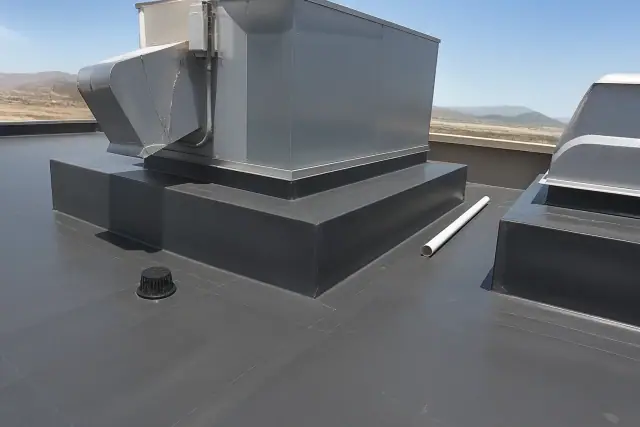
Technicians installing TPO roofing membrane around a rooftop ventilation unit in Goodyear, AZ.

When repair or coating no longer makes financial sense, replacement can include tear-off, deck inspection and repair, insulation upgrades, and a manufacturer-specified membrane installation. Goodyear commercial roof replacement generally runs $5.50 to $12.00 per square foot, with labor typically accounting for one-third to one-half of the project cost. We coordinate required permitting and inspection with the City of Goodyear Building Safety Division. Explore Service.

Explore Service

TPO Roofing

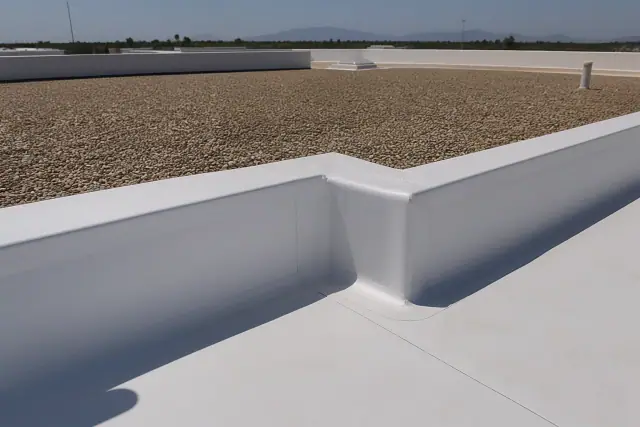
White TPO roofing membrane installation on a commercial building in Goodyear, AZ, showing heat-welded seams.

White TPO membrane reflects heat and is a common choice for Goodyear's low-slope roofs. Systems installed and seamed to ASTM D6878 standards typically cost $4 to $7 per square foot installed and last 20 to 30 years with proper maintenance. We handle heat-welded seam repairs, punctures, and full TPO retrofits. Explore Service.

Explore Service

Spray Foam Roofing

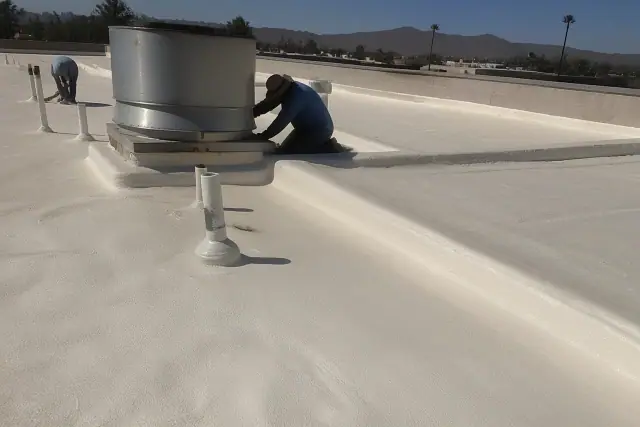
A layer of spray foam roofing applied to a gravel rooftop with desert mountains in the background in Goodyear, AZ.

Spray polyurethane foam creates a seamless, self-flashing roof and adds insulation at the deck. Foam thickness can be adjusted to correct low areas where drainage is poor, making SPF useful for retrofit projects that seek to avoid tear-off. An elastomeric topcoat provides UV protection, and recoating every 10 to 15 years keeps the system performing.

Commercial Roof Coatings

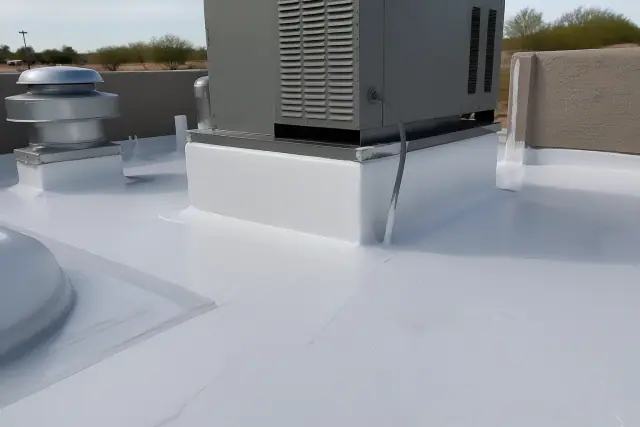
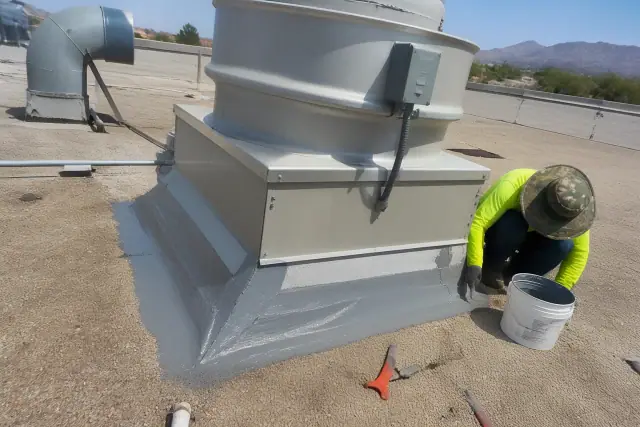
Elastomeric roof coating applied around an HVAC unit on a commercial building in Goodyear, AZ.

Silicone, acrylic, and elastomeric coatings can renew an otherwise sound membrane without tear-off. The selected coating adds reflective waterproofing protection, addresses minor seam wear, and can add 10 or more years of roof life. Substrate condition and ponding patterns determine whether coating is appropriate.

Commercial Metal Roofing

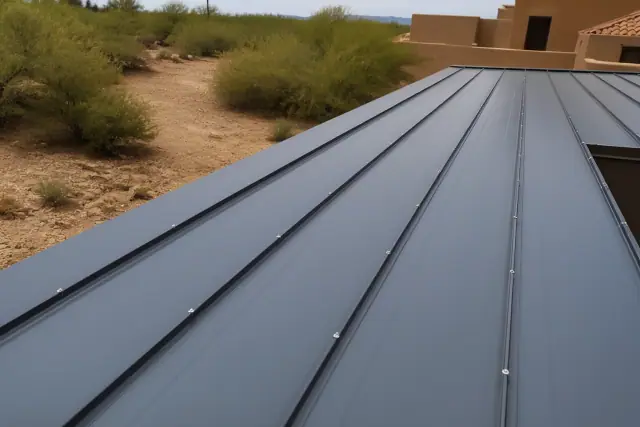
Metal roofing panels with industrial fasteners on a commercial building in Goodyear, AZ.

Standing-seam and corrugated-panel metal systems suit offices, strip malls, and light industrial buildings with steeper slopes or architectural profiles. Installed costs typically range from $7 to $14 per square foot, and metal roofs generally last 30 to 45 years. Repairs focus on fasteners, panel seams, sealant, and flashing around penetrations.

Modified Bitumen Roofing

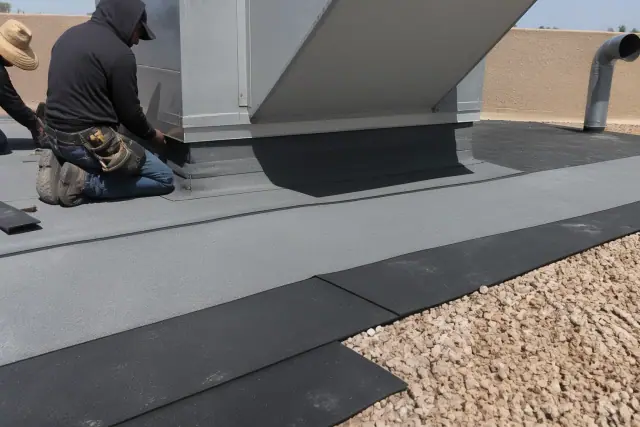
Modified bitumen roofing detail around an HVAC unit on a commercial rooftop in Goodyear, AZ.

Modified bitumen provides a durable multi-ply surface for warehouses and industrial roofs with frequent mechanical-equipment traffic. We install torch-applied and self-adhered systems to ASTM D6164 and D6162 standards. These roofs typically last 15 to 20 years and accept heat-welded repairs when damage is localized.

Built-Up Roofing (BUR)

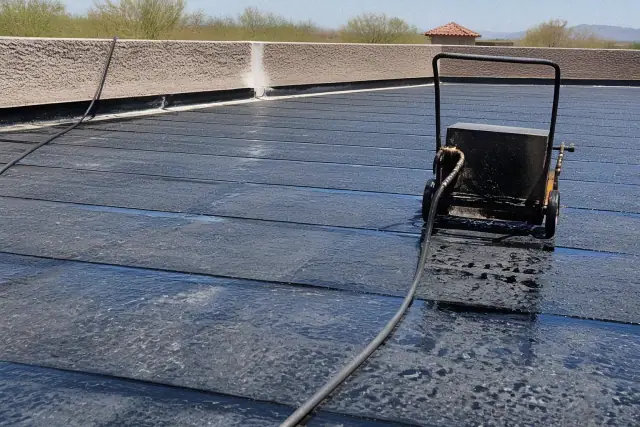
Mobile heating equipment melting bitumen for a built-up commercial roof in Goodyear, AZ.

Multi-ply, gravel-surfaced built-up roofing remains common on older commercial and industrial buildings. A maintained BUR system can last 20 to 30 years, while blistering, alligatoring, and ply separation may be repaired with hot asphalt or cold-process patching. Inspection of felt layers and insulation board helps determine repair versus recover.

Commercial Roof Inspections

Technicians repairing a roof membrane around an HVAC unit on a commercial building in Goodyear, AZ.

A commercial roof inspection covers membrane condition, flashing integrity, drainage performance, and rooftop-equipment penetrations. The resulting report includes photos, prioritized repair recommendations, and budget guidance. Inspections are useful before a property purchase, after a monsoon storm, or when preparing insurance documentation.

Commercial Roof Maintenance

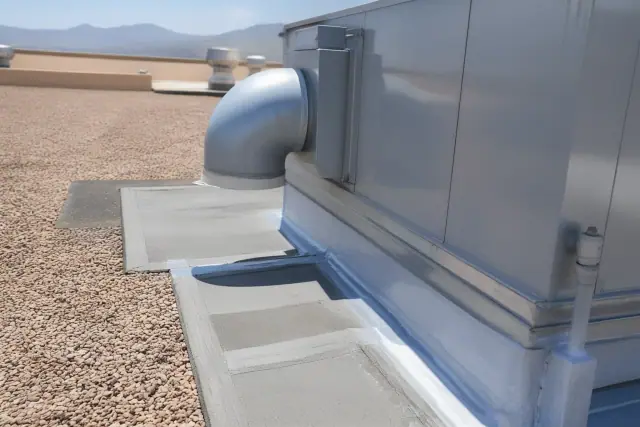
Roofing membrane detailing around an HVAC unit on a gravel roof in Goodyear, AZ with the Estrella Mountains in view.

We recommend semi-annual maintenance for most Goodyear commercial properties, timed before summer heat and before monsoon season. Visits include drain and scupper clearing, seam and flashing checks, and a written condition report. Catching cracked pitch pans, worn sealant, and debris buildup early can extend the useful life of the existing system.

Roofing System Selection

How to Choose the Right Commercial Roof Approach in Goodyear

The right approach depends on whether moisture is localized, the deck and insulation remain sound, drainage can be corrected, and the existing membrane can accept a compatible repair or coating. Roof slope, rooftop traffic, energy-code needs, and the owner's holding plan also shape the decision. A physical inspection provides the evidence for choosing repair, recover, coating, or replacement.

Localized Repair Scope

Localized seam, flashing, or puncture damage may be repairable when the surrounding membrane, insulation, and deck are still serviceable. The patching method must match TPO, modified bitumen, BUR, foam, coating, or metal rather than relying on a generic surface patch.

Recover or Replace

Replacement becomes more practical when damage is widespread, insulation or decking has deteriorated, or repeated repairs no longer control leaks. The widely applied 25% rule can require a low-slope roof to meet current energy-code standards when more than 25% needs recover or replacement within a defined period, so the threshold should be evaluated before work begins.

Reflectivity and Heat Exposure

Reflective TPO and coating surfaces can reduce rooftop heat compared with dark, uncoated membranes. Material selection should account for Goodyear's extreme UV exposure, thermal expansion, and peak cooling demands rather than treating reflectivity as a cosmetic feature.

Drainage Correction

Patches alone do not solve recurring ponding caused by low areas or restricted drains. Tapered insulation, carefully built foam thickness, clear scuppers, and sound drain details can address the drainage path along with the damaged surface.

Rooftop Traffic and Durability

Warehouses with frequent mechanical-equipment access need a surface that tolerates foot traffic and service activity. Modified bitumen's multi-ply construction, BUR assemblies, and suitable metal profiles each answer different durability, slope, and access conditions.

Roof Life and Ownership Plan

A coating can extend a sound membrane, while replacement may better serve an owner planning to hold a property for decades. Compare present condition, repair frequency, expected material life, insulation needs, and planned ownership horizon before choosing the lowest initial scope.

Goodyear Roof Warning Signs

Common Commercial Roof Problems for Goodyear Properties

Monsoon season typically runs from mid-June through September, combining short, intense rainfall with strong wind gusts. Heat cycling, UV exposure, dust accumulation, and blocked drainage can turn small membrane defects into interior leaks, damaged inventory, tenant complaints, and interrupted operations. Schedule an inspection when these warning signs appear rather than waiting for water to reach occupied space.

Request Roof Inspection

Interior Water Stains

Stains, drips, or discolored ceiling tiles after a storm can indicate water traveling beneath the membrane before entering the building. Moisture scanning or a core cut helps trace the source rather than assuming it sits directly above the interior mark.

Ponding Beyond 48 Hours

Standing water left for 48 hours or more accelerates membrane breakdown and can promote algae and bacterial growth. Persistent ponding points to low spots, compressed insulation, or restricted drainage that should be corrected along with surface damage.

Blisters, Cracks, or Split Seams

Bubbling, blistering, cracking, and visible seam separation show that heat cycling or trapped moisture is stressing the assembly. Early material-matched repair may keep a localized defect from spreading across a larger roof area.

Loose Flashing at Penetrations

Lifted or missing flashing around vents, curbs, parapet walls, and rooftop equipment creates direct entry points for wind-driven rain. The repair may require flashing replacement, renewed sealant, or a compatible membrane detail around the penetration.

Blocked Drains and Scuppers

Dust and debris carried from open desert tracts and the Estrella Mountains can settle into rooftop drains and scuppers. Clearing those pathways after wind events helps prevent water from backing up across flat and low-slope surfaces.

Surface Wear and Heat Gain

Granule loss, exposed felt, faded coatings, and alligatoring show that UV exposure is wearing away surface protection. Rising energy bills can also signal diminished reflectivity or compromised insulation and should be evaluated with the roof's physical condition.

Local Commercial Roofing

Why Choose Phoenix Commercial Roofing Company in Goodyear?

Our crew works under Arizona Registrar of Contractors licensing requirements and carries general liability insurance on every project. We use manufacturer-approved materials and application methods, document repairs, and coordinate roof work with the standards and permitting requirements that apply to Goodyear commercial buildings. Local low-slope experience helps us account for extreme UV, monsoon rain, wind, dust, drainage, and rooftop equipment.

Arizona-Licensed and Insured

Arizona Registrar of Contractors licensing and general liability insurance provide a verifiable baseline for commercial roof work. The completed repair record also gives property managers documentation for future inspections, property sales, or insurance questions.

Code and Safety Coordination

Our work accounts for the International Building Code, local Goodyear requirements, NRCA installation guidance, relevant ASTM membrane standards, and IECC insulation requirements on replacements. Rooftop crews follow OSHA fall-protection requirements under 29 CFR 1926.501, and projects that require permits are coordinated with the City of Goodyear Building Safety Division.

West Valley Roof Experience

Our experience spans warehouses near Phoenix Goodyear Airport, retail space along Pebble Creek Parkway, and offices around the Goodyear Ballpark corridor. That range includes evaluating TPO on a 150,000-square-foot distribution center versus a strip mall and understanding how modified bitumen ages on a 20-year-old industrial building versus a newer retrofit.

Documented Repair Process

Our Commercial Flat Roof Repair Process in Goodyear

Every repair begins on the roof, not with a guess from a satellite image. We locate visible and hidden damage, define a material-specific scope, complete the approved work, verify the repair, and provide a record of what was found. Additional conditions are reported with options before extra work is performed.

01.

Walk the Entire Roof

A technician checks the full roof surface, drainage points, membrane seams, and flashing at every penetration. Problem areas are photographed so the visible condition is recorded before repair.

02.

Confirm Hidden Moisture

Where surface evidence is inconclusive, a moisture scan or core cut can locate trapped water beneath the membrane. This step defines the damage extent and helps avoid patching only the visible symptom.

03.

Write the Repair Scope

The written scope identifies the repair method, included materials, expected timeline, and cost before work begins. Options may include a heat-welded TPO patch, modified bitumen patch, SPF foam fill and recoat, or flashing replacement.

04.

Complete Material-Matched Repairs

The surrounding area is cleaned and prepared before the compatible repair is installed. TPO uses hot-air welding, while modified bitumen uses torch or cold-process application matched to the original system.

05.

Verify Seams and Drainage

After the repair cures, seam integrity is tested and the surrounding roof is checked again. Debris is removed from drains and scuppers so the repaired area has a clear drainage path.

06.

Deliver Photos and Findings

The completed record includes before-and-after photos, materials used, and a summary of inspection findings. Deteriorated insulation, failing drains, or other newly uncovered conditions are flagged with repair or replacement options for approval.

Repair Outcomes

Practical Roof Repair Outcomes for Goodyear Businesses

Case Study 1: TPO Leak Control: A compatible heat-welded patch restores a puncture or separated seam after the area is cleaned, dried, and checked for hidden moisture.

Case Study 2: Ponding Correction: Tapered insulation or added foam thickness addresses a low area while cleared drains and scuppers restore the intended water path.

Case Study 3: Maintenance Documentation: Seam and flashing checks, drainage clearing, photos, and a written condition report give property managers a prioritized record for planning.

Plan Your Roof Work

Schedule a Commercial
Roof
Inspection

Request a commercial roof inspection for a written assessment of membrane condition, flashing, drainage, penetrations, and repair priorities. Phoenix Commercial Roofing Company can outline repair, maintenance, coating, recover, or replacement options based on the roof in place.

Commercial Roofing Help

Commercial Roofing FAQs for Goodyear, AZ

Use these answers to compare repair methods, material life, maintenance needs, and replacement factors for a Goodyear commercial roof. A physical inspection is still needed to determine the correct scope for a specific building.

Call a Roofing Specialist

Repair begins by locating the source with a visual inspection, moisture scan, or core cut. TPO commonly uses heat-welded patches, modified bitumen uses torch or cold-process patching, and BUR uses hot asphalt or cold patching matched to the existing system. The right method depends on the membrane and the extent of hidden moisture.

The 25% rule is a widely applied building-code provision under which more than 25% of a low-slope roof needing recover or replacement within a defined period may trigger an upgrade of the entire roof to current energy-code standards. Evaluating this threshold before a major repair helps clarify scope and cost.

Most properly installed and maintained commercial flat roofs last 20 to 30 years. TPO and modified bitumen generally fall within a 15- to 30-year range, while maintained BUR can reach 20 to 30 years. A neglected roof can require replacement in as little as 10 years, especially under Goodyear's UV and monsoon cycles.

Commercial flat-roof repair typically runs $3 to $10 per square foot. Membrane type, damage extent, trapped moisture, access, and the required flashing or drainage work determine where a repair falls within that range.

Commercial roof replacement generally runs $5.50 to $12.00 per square foot depending on the system, deck condition, and insulation requirements. Labor typically makes up one-third to one-half of the total project cost.

TPO has a white, heat-reflective surface suited to intense summer exposure. Systems installed and seamed to ASTM D6878 standards typically cost $4 to $7 per square foot installed and last 20 to 30 years with proper maintenance. Heat-welded seams also allow compatible localized repairs.

We recommend semi-annual visits for most Goodyear commercial properties, scheduled before summer heat and before monsoon season. Maintenance includes drain and scupper clearing, seam inspection, flashing checks, and a written condition report.

Standing water remaining for 48 hours or more can accelerate membrane breakdown and promote surface algae and bacterial growth. Persistent ponding should be evaluated for low spots, drainage blockages, compressed insulation, or inadequate slope.

A compatible silicone, acrylic, or elastomeric coating can add 10 or more years of life to an otherwise sound roof. Coatings add reflective waterproofing protection and address minor seam wear, but the membrane, substrate, and drainage must be evaluated first.

Industry guidance recommends recoating spray polyurethane foam every 10 to 15 years. The elastomeric topcoat protects the seamless foam from UV exposure, while the foam itself can add insulation and correct localized drainage with adjusted thickness.

Modified bitumen systems typically last 15 to 20 years. Torch-applied and self-adhered assemblies installed to ASTM D6164 and D6162 standards provide a durable multi-ply surface, especially where rooftop mechanical traffic is common.

BUR blistering, alligatoring, and ply separation may be repaired with hot asphalt or cold-process patching, depending on roof condition. A maintained multi-ply BUR system can last 20 to 30 years, but its felt layers and insulation board should be checked before choosing repair or recover.

Standing-seam and corrugated-panel commercial metal roofing typically costs $7 to $14 per square foot installed and lasts 30 to 45 years. Repair commonly involves fastener replacement, renewed seam sealant, or flashing work at penetrations.

An inspection covers membrane condition, flashing integrity, drainage performance, and rooftop-equipment penetrations. The written report includes photos, priority repair recommendations, and budget guidance for planning, property purchases, storm follow-up, or insurance records.

We serve commercial properties throughout Goodyear, including the Phoenix Goodyear Airport corridor, Estrella Parkway, Litchfield Road, PebbleCreek, Canyon Trails, Palm Valley, and the Goodyear Ballpark area. The surrounding service area named in the draft includes Avondale, Litchfield Park, Buckeye, Tolleson, and commercial properties across the greater Phoenix metro area in Maricopa County.